
Mold Issues in Rental Properties: Landlords & Tenants – Who is Responsible?
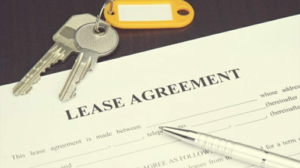 One of the most frequent calls I receive as a licensed mold assessor in the New York Metro Area, is from either a landlord or a tenant in an apartment. My first inclination is to be polite but spend as little time with them as possible on the phone, because rarely does this kind of call turn into a job. The reason can be summed up as such: The tenant wants the landlord to pay for the testing and/or removal, and the landlord feels like there is no mold problem and the tenant is just trying to get free rent or get out of the lease and doesn’t want to pay to have it tested.
Below are the two sides to the argument followed by the legal provisions and finally, the proper way this situation should be handled from a professional expert point of view.
 Tenants
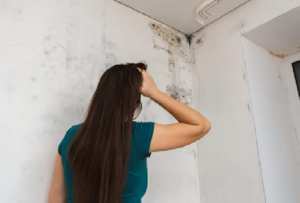
Most tenants who discover what they believe to be mold are fearful for their health, and rightfully so. This may be the result of seeing black spots on their wall, not seeing anything but feeling sick after they spend time in their apartment, or having a water leak from either their unit or an adjacent unit, or the roof. They contact the landlord who generally tells them that A) It’s nothing – it can’t be mold, B) They will send over a handyman to fix it, C) That they’re just trying to get out of paying rent, or D) That they’ll get to it, but never do.
Sometimes the tenant will call the health department who will tell them that they don’t get involved in these kinds of things and that the tenants need to hire a mold assessor to test it. What happens next is that they call me, find out that it actually costs money to have the apartment inspected and tested (yes, I actually get paid for working!), and then that’s the last I’ll ever hear from them. Here they are, with a slumlord that won’t do the ethical thing and properly address their concerns, sick children or an elderly parent who can’t breathe, and they’d rather let them suffer or die than spend a few bucks on getting a mold assessment.
 Landlords
Getting calls from landlords are far less common than getting calls from tenants because obviously, tenants are ones living with a health risk and landlords think they can either fix it themselves (which they are not qualified to do) or think it’s a scam and don’t want to bother with it. However, when I do get a call from them, usually they tell me that the tenant is just being problematic and that they want to get out of their lease or not pay rent. When I tell them that the simple solution is to have me test the place for mold, the same elephant in the room appears – yes, it costs money to have it tested.
Despite the fact that they earn money from the rent that the tenants pay, and any business requires investment and “cost of doing business,” they somehow feel that this doesn’t apply to them. Believe it or not, some of them actually want me to just go over there, look at it and tell them that there’s no problem!
Exceptions
From reading the above, one may be led to believe that neither a tenant nor a landlord ever hires a mold assessor, and while that is the most common scenario, every once in a while, I do get hired by responsible tenant who does care enough about their health to take a proactive measure, or a tenant who isn’t a slumlord and sincerely wants their tenants to be safe and happy. Even with that in mind, there are times when for unknown reasons, even though the landlord is paying for the testing, the tenant doesn’t want to let me in for the testing. Either they say they are always away working or just don’t want anyone in their place. It may defy logic, but it happens.
Legal Implications
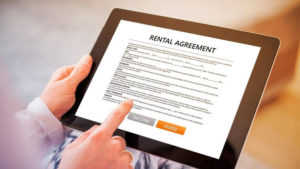 So who is responsible in these situations? As I tell both tenants and landlords, my expertise in this area extends only to mold testing and not into the field of tenant-landlord law, therefore, they need to consult an attorney. What I do know is that in New York, where I’m located, generally a tenant is entitled to break their lease if the apartment is deemed uninhabitable. What determines whether it is uninhabitable rom a mold standpoint in my view is if it is unsafe to breathe. That can be easily revealed by taking air samples during the mold assessment. If the mold levels are elevated in the air, it is not safe to be there, and even one’s possessions in the apartment may be contaminated and need to be thrown away or professionally remediated. The tenants may also sue the landlord.
I tell landlords that aside from the obvious ethical considerations for keeping their tenants safe, they also risk legal exposure from the tenants if they get sick. Nobody enjoys getting sued. I have served as an expert witness in court for both tenants and landlords. One of the salient factors is what provisions regarding mold are written into the lease. Not all leases are the same. This is yet another reason why when it comes to legal implications, all signs point to the lawyer’s wheelhouse.
 Causes of Mold
Mold problem inside buildings is caused by moisture, but not all moisture causes mold. That’s why testing is required to determine whether a problem is present. If there is, in fact a problem, the cause needs to be determined as to sort out who is responsible. Sometimes it’s the tenant and sometimes it’s the landlord. Some examples of mold problems solely caused by tenants are: improper use of humidifier, not using the bathroom fan while showering, spilling water from a plant, letting the bathtub or sink overflow, keeping a window open during a rainstorm, bringing moldy objects into the apartment, putting plastic over the windows, and not using a dehumidifier in the humid months.
Some examples of mold problems solely caused by landlords are: not having the roof properly ventilated, not having a bathroom fan that is vented to the outside, plumbing problems, roof leaks, lack of dehumidification in the basement, seepage in the basement or through siding or defective windows, not having HVAC ducts cleaned and maintained on a regular basis, and insufficiently insulated and/or heated rooms and closets. Probably the most common apartment or condo situation is when there is a plumbing leak in one unit that articulates down or across to another unit.
What is the Proper Way to Handle this Situation?
When a tenant is complaining about a possible mold problem, the first thing to be determined is what apparently caused it. Examples can be found in the paragraph preceding this one. Then, whomever seems to be responsible for the problem should set up an appointment with a licensed mold assessor such as myself, and have me take samples to submit to a lab for analysis. If they come back positive, I will write a treatment protocol to remediate the problem and write what is required to keep the problem from reoccurring. When in doubt of the cause, then it is up to the tenant and the landlord to decide who should hire the assessor, or perhaps to split the cost of the job. In sum, the problem, if there is one, is not going fix itself, and even if a tenant or landlord doesn’t feel it’s their responsibility, nothing will change if no action is taken and no money is spent. It will eventually have to be spent in either medical bills, legal bills, or both.
