
10 Electrical Safety Tips Homeowners should know
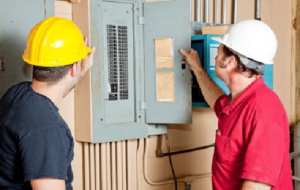
 1. Examine your electrical panel and look for a date when it was last inspected. If it’s been more than ten years, it is recommended that you get a new inspection.
2. Unplug all heat-producing appliances like toasters, irons, hair dryers and heaters when you aren’t using them. If you leave a lightbulb on for security, it should be a fluorescent or LED.
3. Make sure that when you plug a lightbulb into fixtures such as lamps, that the wattage of the bulb is equal to or lower than the rating on the fixture. If you plug a larger wattage bulb into the fixture, it could be a fire hazard or at least ruin the bulb quickly.
4. Be judicious in your use of extension cords. They are designed for short-term use and shouldn’t be used for too many multiple items. They also could become frayed and dangerous. It is better to have an electrician install additional outlets rather than run more and more extension cords all over the house.
 5. It is a good idea to install surge protectors, especially with the use of computers and other technological applications. A surge can cause serious damage during a storm.
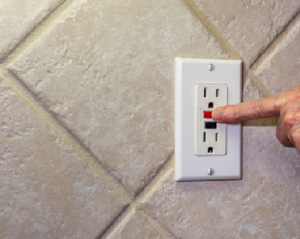
6. Ground fault circuit interrupters (GFCI’s) should be tested on roughly a monthly basis. Plug a nightlight into the outlet and depress the test button. If the light turns off, the GFCI is working properly. If the reset button pops out but the light stays on, the GFCI is not working right. Press the reset button to return the outlet to its normal state. At this point, you should contact a qualified electrician to check it out.
 7. Appliances should be positioned away from water. Never reach into water for a plugged-in appliance. Always unplug it first. You don’t want to get electrocuted. In addition, GFCI outlets should always be installed near sinks, hose bibs, toilets and all other fixtures that produce water.
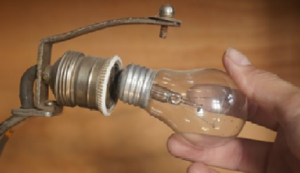
8. This may sound simple, and it is, yet is usually overlooked: Screw lightbulbs in tightly but not too tightly. If they are not secure, they may overheat and burn lampshades or nearby furniture. They also may flicker. If they are too tight, the glass might crack.
 9. When you unplug appliances, don’t just pull on the cord. Grip the area next to the outlet so one hand is on the plate and one on the cord. If you don’t you could damage the cord, the outlet, or cause an electrical shock or fire.
10. If you have an old fusebox, you should replace it with a breaker panel that is designed for a modern house and installed by a licensed electrician. For most houses, 200 amp service is the standard. Older ones with 150 amp service are usually okay but with all the modern gadgets and appliances available in the 21st century, it is advisable to upgrade if you only have 100 amps or less.
